

Cashback credit cards are one of the simplest ways to get a little something back from money you were going to spend anyway. Groceries, fuel, dining out, streaming subscriptions, the weekly online shop, all of it can quietly earn you real money back if you are using the right card. The tricky part is that “best” depends entirely on how you spend, whether you pay your balance off in full each month, and which country you live in, since the US and UK markets work quite differently.
This guide walks through how cashback cards actually work, the main types available, some of the standout options in both the US and UK as of 2026, and how to figure out which approach fits your own spending habits rather than just chasing the highest advertised percentage.
How Cashback Cards Actually Work
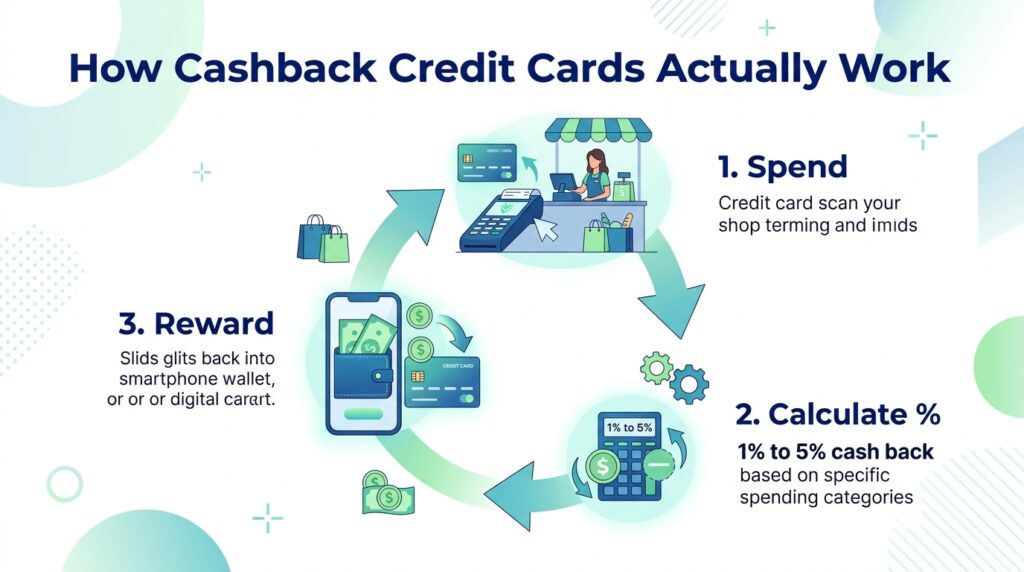
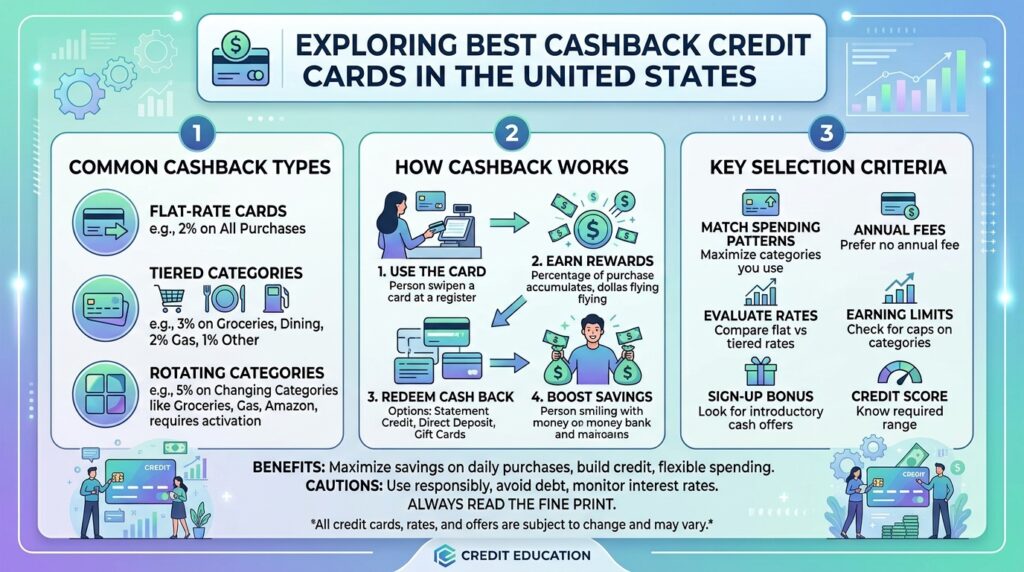
The basic idea is simple. Every time you spend on the card, you earn back a percentage of that purchase, either as a statement credit, a direct deposit, or sometimes a check or gift card. Where cards differ is in how that percentage is structured.
Flat rate cards give you the same cashback percentage on every purchase, regardless of category. These are the easiest to use because there is no tracking, no activating categories, and no guessing which purchases qualify.
Category based cards offer higher cashback on specific spending areas, such as groceries, gas, dining, or streaming services, with a lower flat rate on everything else.
Rotating category cards offer a higher cashback rate, often significantly higher, on categories that change every quarter, such as gas stations one quarter and grocery stores the next. These usually require you to activate the bonus category each quarter and often come with a spending cap on the bonus rate.
Tiered cards offer different cashback rates depending on how much you have spent in a year, with the rate increasing once you pass a certain spending threshold.
One important difference between the US and UK markets is worth understanding upfront. UK regulations under the Financial Conduct Authority cap interchange fees at 0.3 percent for credit transactions, which significantly limits what card issuers can offer compared to the US, where uncapped fees allow cashback rates of 2 to 5 percent to be offered fairly routinely. This is a big part of why UK cashback rates generally look lower than what is advertised in the US, and it is not a sign that UK cards are worse value, just that the underlying economics are different.
Best Cashback Credit Cards in the US
Flat Rate Options
If you want simplicity above everything else, a flat rate card removes the guesswork. A strong cashback setup often comes down to using one flat rate card for everything, paired with one bonus category card for your biggest area of spending, since chasing every 5 percent reward is not worth it if you end up carrying a balance and losing the value to interest.
The Citi Double Cash card is a well known example of this approach. It earns 1 percent cash back when you make a purchase, plus an additional 1 percent as you pay it off, effectively giving you 2 percent back on nearly everything. Wells Fargo Active Cash works in a similar flat rate fashion, and both are commonly recommended as a strong single card for people who do not want to think about categories at all.
Rotating Category Cards
For people willing to put in a bit more effort, rotating category cards can pay considerably more. Discover’s cash back card is a well known example here. It offers 5 percent cash back on everyday purchases at places that rotate each quarter, such as grocery stores, restaurants, and gas stations, up to the quarterly maximum once activated, with unlimited 1 percent back on everything else. New cardholders also frequently see a first year cashback match offer, essentially doubling whatever they earn in their first twelve months.
Customizable Category Cards
Some cards let you choose your own bonus category rather than being locked into a rotating schedule set by the issuer. The Bank of America Customized Cash Rewards card, for example, offers 6 percent cash back in the first year in a category you select yourself, such as dining, travel, or online shopping. This kind of flexibility suits people whose spending is heavily concentrated in one particular area that does not change much from quarter to quarter.
Which US Card Type Fits You
If you spend fairly evenly across categories and want zero maintenance, a flat rate card is usually the better fit. If your spending is heavily concentrated in a few categories and you do not mind activating quarterly bonuses, a rotating category card can meaningfully outperform a flat rate option. If you have one dominant spending category that stays consistent, a customizable category card lets you lock in a strong rate without needing to think about it every few months.
Best Cashback Credit Cards in the UK
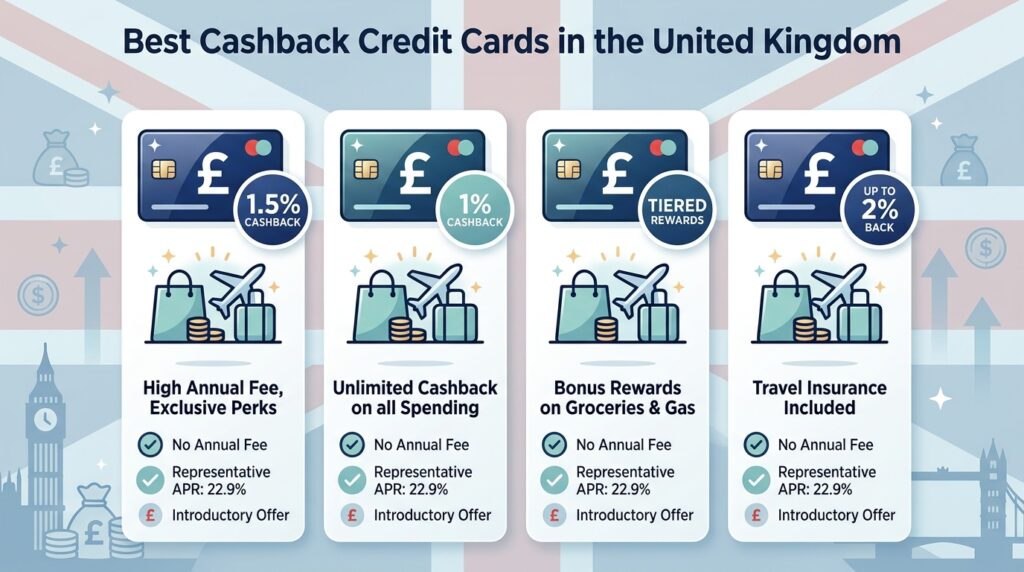
The UK cashback market looks quite different from the US, partly due to the interchange fee cap mentioned earlier, and partly due to how the cards are structured around annual payouts rather than monthly statement credits in many cases.
American Express Cashback Options
American Express is consistently one of the strongest names in the UK cashback space, though it is worth noting upfront that Amex is not accepted everywhere, particularly at some independent businesses and a handful of larger retailers, so it tends to work best as a primary card backed up by a widely accepted Visa or Mastercard for the gaps.
The no annual fee Amex cashback option is a common starting point for UK shoppers. It offers 0.5 percent cashback on spending up to 10,000 pounds a year, rising to 1 percent on anything spent above that threshold, and new customers who have not held an Amex card in the past two years typically get a welcome bonus of 5 percent cashback for the first few months, usually capped at 125 pounds.
For people willing to pay a small annual fee, the rates improve. One fee paying Amex option charges a 25 pound annual fee in exchange for 0.75 percent cashback on the first 10,000 pounds spent each year and 1.25 percent on spending above that, with cashback paid out annually rather than monthly.
At the premium end, the top tier Amex cashback card offers uncapped earning potential after its introductory period and is generally considered the strongest cashback card in the UK market for people who pay their balance off in full every month.
Other UK Options Worth Knowing
Beyond American Express, several banks and retailers offer cashback style rewards worth considering depending on where you already shop. Store linked cashback cards from retailers such as Asda and John Lewis, along with Tesco Bank’s card that earns Clubcard points, are commonly cited as strong value options for households that already shop regularly at those retailers.
A Note on UK Consumer Protection
One often overlooked benefit of UK credit cards generally, cashback or otherwise, is the legal protection that comes with them. Under Section 75 of the Consumer Credit Act, purchases made on a UK credit card for amounts between 100 and 30,000 pounds are protected, meaning the card issuer is jointly liable if something goes wrong, whether that is goods never arriving or a service not being delivered as promised. This protection does not exist to the same extent with debit cards, so it is worth factoring into the decision even beyond the cashback percentage itself.
The Golden Rules That Matter More Than the Headline Rate
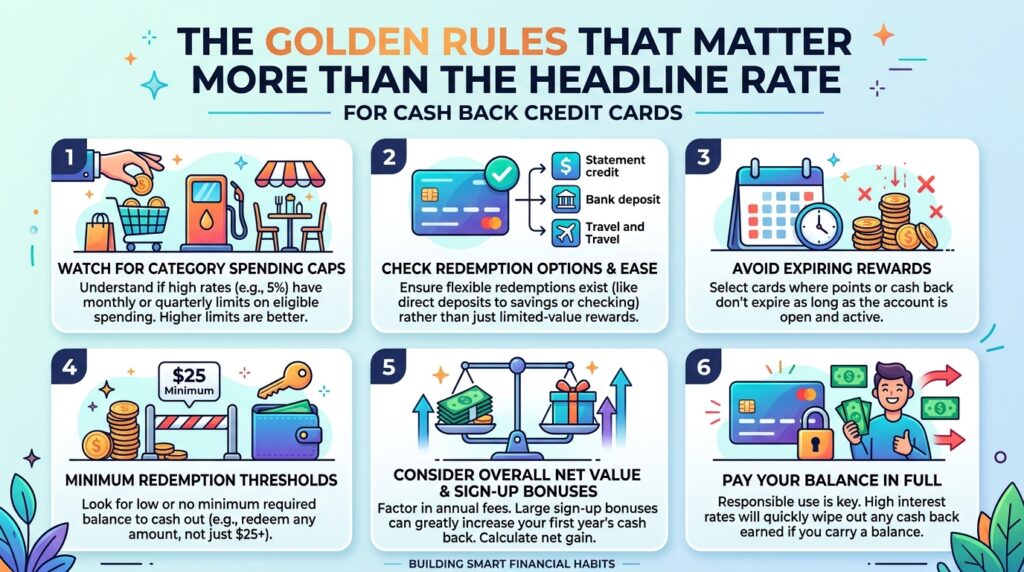
Regardless of which country you are in, a few principles apply universally when choosing and using a cashback card.
Never carry a balance if you can help it. This is the single most important rule. Cashback percentages are almost always small compared to the interest rate you will pay if you carry a balance month to month. A card advertising 5 percent cashback typically charges an interest rate many times higher than that on any unpaid balance, so a single month of interest charges can wipe out an entire year of cashback earnings.
Match the card to your actual spending, not the flashiest offer. A card that earns your neighbor 500 pounds or dollars a year in cashback might earn you far less if your spending pattern looks completely different. Look at your own bank statements from the last three months and see where your money actually goes before choosing a card built around that pattern.
Watch for annual fees and do the math. A card with an annual fee can still be worth it if the extra cashback earned comfortably outweighs the fee, but this only holds true if your spending is high enough. Run the numbers based on your real spending rather than assuming a fee paying card is automatically better because it advertises a higher rate.
Check acceptance before relying on one card. In both markets, but especially with American Express in the UK, it is worth having a backup Visa or Mastercard for situations where your primary cashback card is not accepted.
Understand how and when cashback is paid out. Some cards credit cashback monthly, others only pay out annually. If you are relying on the cashback to offset a specific expense, make sure the payout schedule actually lines up with when you need it.
Watch for spending caps on bonus categories. Rotating category and boosted category cards often cap how much of your spending qualifies for the higher rate each quarter or year. Spending beyond that cap usually drops back down to a much lower base rate, so it is easy to overestimate how much you will actually earn if you are not paying attention to the cap.
A Simple Way to Choose
If you want an uncomplicated approach that works well for most people, a solid starting point in either country is to use one flat rate or broadly applicable cashback card as your default for all spending, then add a second card only if you have a clearly defined category, such as groceries or fuel, where a higher rate is available and worth the extra bit of tracking involved.
For people who enjoy optimizing and do not mind the extra effort, layering a rotating category card, a customizable category card, and a flat rate backup can meaningfully increase total cashback earned over a year, but this only pays off if you are organized enough to activate categories on time and avoid ever carrying a balance.
Final Thoughts
Cashback credit cards can genuinely put money back in your pocket for spending you were doing anyway, but the value only shows up if you use the card the right way. Pay the balance in full every month, choose a card that actually matches your spending pattern rather than the one with the loudest advertised rate, and keep an eye on annual fees, payout schedules, and category caps so you are not caught off guard.
The market in both the US and the UK changes often, with new offers, updated rates, and shifting bonus categories appearing throughout the year, so it is worth checking current offers directly with card issuers or independent comparison sites before applying, rather than relying on any single snapshot in time.
This article is for general informational purposes and is not financial advice. Credit card rates, fees, and terms change frequently and vary by issuer, so always check the current terms directly with the provider and consider your own financial circumstances, including your ability to repay any balance in full, before applying for a credit card.