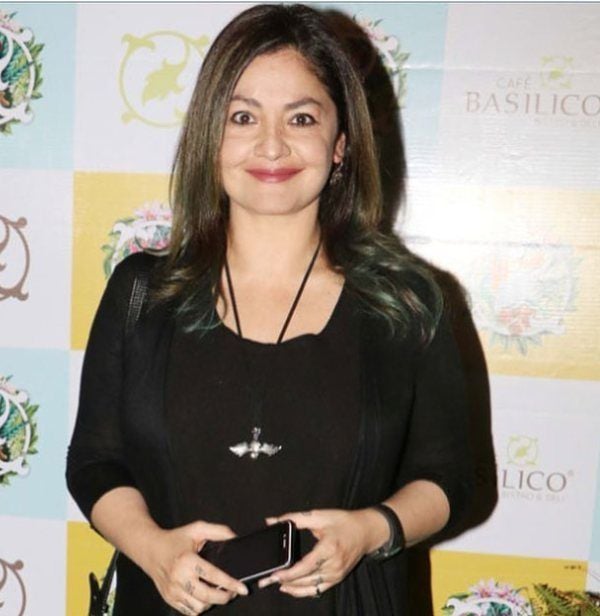

Pooja Bhatt Biography: The Bold Face of Indian Cinema
When you think of Bollywood in the ’90s, a few names instantly light up the screen — and Pooja Bhatt is definitely one of them. Actress, producer, and director, she’s a woman who’s seen it all — from the glitz of fame to the shadows of struggle. Pooja Bhatt isn’t just Mahesh Bhatt’s daughter; she’s a powerhouse who’s carved her own path with fire and finesse. Let’s dive into her fascinating life — the story of a woman who never played by the rules.
Early Life: Born Into Cinema
Pooja Bhatt was born on February 24, 1972, in Mumbai, Maharashtra, India, into a family deeply rooted in Bollywood. Her father, Mahesh Bhatt, is one of the most acclaimed filmmakers in India, while her mother, Kiran Bhatt (formerly Lorraine Bright), is of British descent.
With half-siblings like Alia Bhatt and Rahul Bhatt, and cousins like Emraan Hashmi, creativity clearly runs in the family. Growing up in such a cinematic atmosphere, it’s no surprise that Pooja was drawn to films from an early age.
The Acting Debut That Shocked Everyone
Pooja’s first major break came when she was just 17 years old. She starred in her father’s film “Daddy” (1989), a heartfelt story about a troubled father-daughter relationship. Her performance was raw, emotional, and way beyond her years. It wasn’t just a debut — it was a declaration: Pooja Bhatt had arrived.
But it was “Dil Hai Ke Manta Nahin” (1991) opposite Aamir Khan that made her a household name. Adapted from the Hollywood classic It Happened One Night, this romantic comedy captured hearts across India. Remember that runaway bride with a feisty attitude? Yep, that was Pooja — all charm, sass, and spirit.
A Star With Substance
The early ’90s saw Pooja starring in one hit after another — “Sadak” (1991), “Sir” (1993), “Phir Teri Kahani Yaad Aayee” (1993), and “Chahat” (1996), to name a few. Unlike the typical glamour-driven heroines of her time, Pooja chose roles that had depth.
In Sadak, she portrayed a sex worker seeking love and redemption — a role not many actresses would have dared to touch back then. Pooja wasn’t afraid to take risks. She was real, relatable, and always ahead of her time.
Behind the Camera: A New Chapter
After a successful acting run, Pooja Bhatt decided to step behind the camera. In 2004, she made her directorial debut with “Paap”, starring John Abraham and Udita Goswami. The film explored spirituality, sin, and redemption — themes that reflected her personal and artistic depth.
She didn’t stop there. Movies like “Holiday” (2006), “Dhokha” (2007), and “Jism 2” (2012) followed, showcasing her versatility as a director and producer. Her films often explored bold, taboo topics — from sexuality to morality — proving that she wasn’t afraid to challenge societal norms.
Personal Life: The Journey Beyond the Screen
Pooja Bhatt’s life off-screen has been just as eventful as her career. She married Manish Makhija, a video jockey and restaurateur, in 2003. The couple separated in 2014, but Pooja handled it with her characteristic grace, focusing on her personal growth and mental health.
She’s also been refreshingly open about her battles with alcohol addiction, speaking publicly about her decision to quit drinking in 2017. Her honesty about her struggles has inspired many fans to face their own challenges head-on.
The Comeback Queen
After years away from acting, Pooja made a triumphant comeback in “Sadak 2” (2020), directed by her father, Mahesh Bhatt. The film may have faced criticism, but her return was a reminder — Pooja Bhatt never really went away.
In 2023, she stunned audiences again in the web series “Bigg Boss OTT 2”, where her candid, no-nonsense personality won hearts all over again. She also appeared in “Bombay Begums” (2021), a Netflix series where she played a powerful, layered female lead. It was a role that reflected her real-life persona — strong, unapologetic, and deeply human.
Legacy and Influence
Pooja Bhatt’s career isn’t just about movies — it’s about fearless individuality. She’s always been vocal about women’s empowerment, self-worth, and breaking stereotypes.
In a world where many chase perfection, Pooja has always embraced imperfection. She’s been open about her relationships, flaws, and even failures. That’s what makes her relatable — she’s not just a star; she’s human.
From being a teenage actress to a thoughtful filmmaker, she’s continuously reinvented herself. And in doing so, she’s paved the way for a new generation of women who dare to be different — including her half-sister, Alia Bhatt, who often credits Pooja as a source of strength and inspiration.
Awards and Recognition
Over the years, Pooja Bhatt has earned numerous accolades for her work. Her performance in Daddy won her critical acclaim, while Dil Hai Ke Manta Nahin remains one of Bollywood’s most beloved romantic comedies.
But beyond the trophies and titles, her true achievement lies in her courage — the courage to speak her mind, tell her truth, and keep evolving despite the odds.
Pooja Bhatt’s Philosophy: Living Authentically
If there’s one thing Pooja Bhatt has taught us, it’s the importance of authenticity. She’s never pretended to be someone she’s not. Whether it’s her opinions, her art, or her personal struggles, she owns her story completely.
Her life is a reminder that success isn’t about how many hits you have, but how many times you rise after falling. Pooja Bhatt’s journey is all about resilience — a story of transformation, healing, and unshakable self-belief.
Conclusion
Pooja Bhatt isn’t just a name from Bollywood’s golden era — she’s a symbol of strength, honesty, and reinvention. From teenage stardom to bold filmmaking and personal redemption, her life has been one rollercoaster of courage and creativity.
She continues to inspire millions with her words, work, and wisdom. In a world obsessed with appearances, Pooja Bhatt stands tall as a reminder that real beauty lies in authenticity. She’s not just living her truth — she’s redefining what it means to be a woman in the spotlight.
So, the next time you think of Pooja Bhatt, remember — she’s not just a star; she’s a survivor, a storyteller, and above all, a woman who dared to live life on her own terms.