

If you are behind on payments and creditors keep calling, take a breath. You do not need a lawyer or a debt relief company to sort this out. Thousands of people in the US and the UK negotiate their own debts every year, and many end up paying less than they owe, or at least buying themselves enough breathing room to get back on their feet.
This guide walks you through the whole process in plain language. No legal jargon, no scare tactics, just the steps that actually work.
Understanding Why Debt Feels So Hard to Talk About
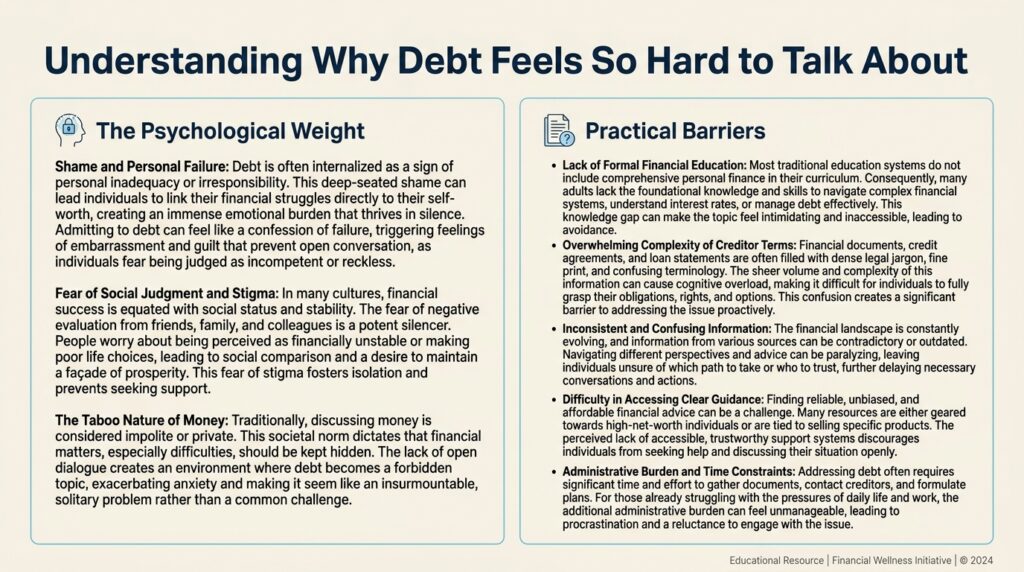
Most people put off calling their creditors for weeks, sometimes months, because the whole topic feels heavy. There is a quiet fear that picking up the phone will lead to shouting, shame, or some kind of legal trap. In reality, most calls are calm and businesslike. The person on the other end is usually reading from a script too, and they talk to people in your exact situation all day long. Once you understand that this is a normal, routine conversation for them, it becomes much easier to see it as a normal, routine conversation for you as well.
Why Negotiating Yourself Is Worth Trying First
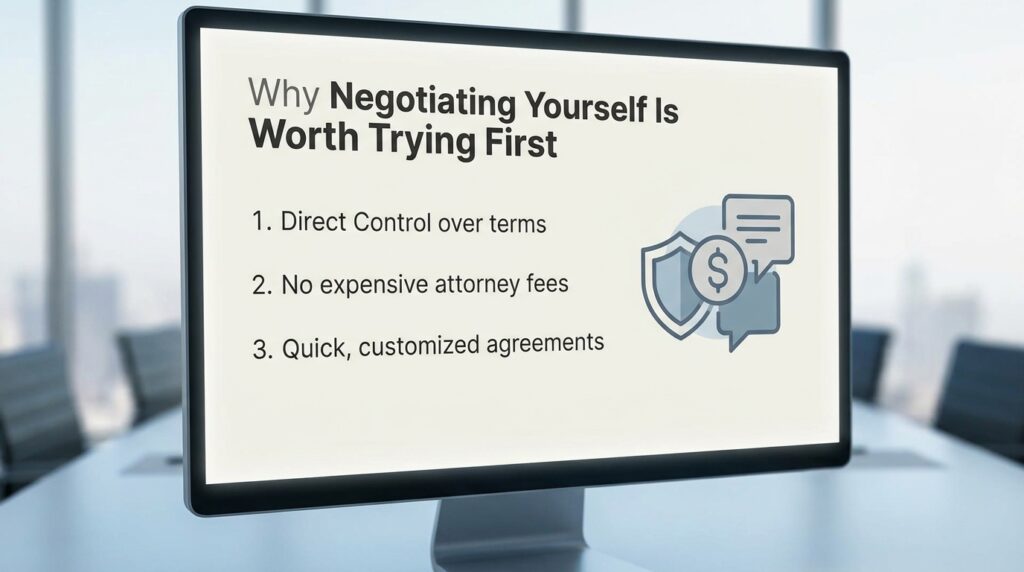
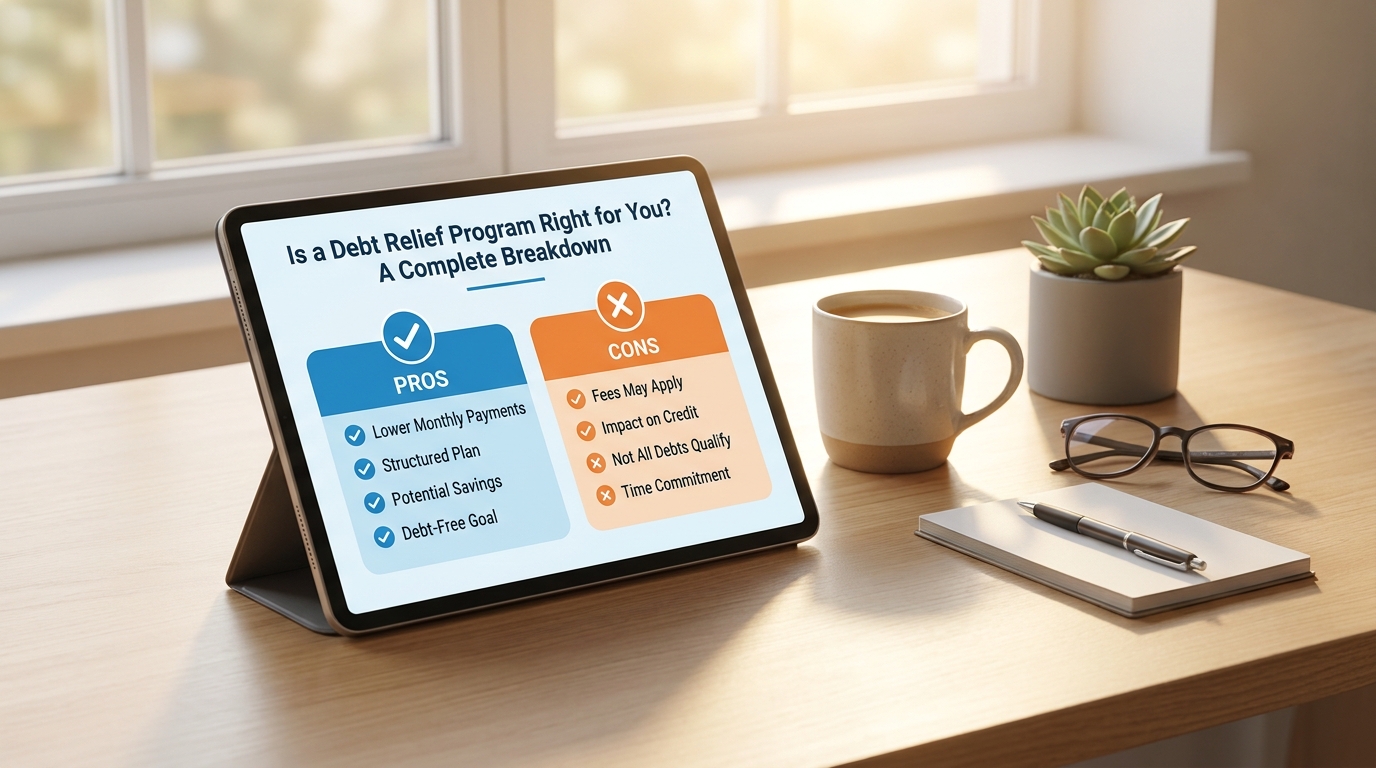
Debt settlement companies often charge huge fees, sometimes 15 to 25 percent of the debt you owe, just to do something you can do yourself with a phone call and a bit of patience. Lawyers cost even more, and for most everyday debts like credit cards, personal loans, medical bills, or old overdrafts, you simply do not need one.
Creditors would rather get some of their money back than none at all. That single fact is the reason negotiation works. A credit card company that sells your unpaid debt to a collection agency might only get pennies on the dollar for it. So if you call them directly and offer a lump sum or a smaller monthly payment, there is a good chance they will say yes, because something is better than nothing.
Step One: Get a Full Picture of What You Owe
Before you pick up the phone, you need to know exactly who you owe, how much, and what stage each debt is at. Pull your credit report. In the US you can get a free copy from each of the three bureaus, Equifax, Experian, and TransUnion, through annualcreditreport.com. In the UK you can check your report through Experian, Equifax, or TransUnion UK, and many offer free access.
Make a simple list with these columns.
- Creditor name
- Total amount owed
- Interest rate
- Minimum monthly payment
- Whether it is with the original lender or a collection agency
This list becomes your map. You will use it to decide who to call first and what to offer.
A Quick Word on How Collections Actually Work
It helps to understand what happens behind the scenes once you fall behind on a payment. Most original lenders, whether that is a bank, a card issuer, or a phone company, will try to collect the debt themselves for a few months. After a certain point, often around 120 to 180 days of missed payments, many lenders give up trying and either hand the account to an internal collections team or sell it to a third party collection agency for a fraction of what is owed.
This matters because the further along a debt is in this chain, the cheaper it was for whoever now owns it. A collection agency that paid ten cents on the dollar for your account can still profit handsomely even if they accept thirty or forty cents on the dollar from you. That is the entire reason settlement negotiations work so well on older, charged off debts, and why fresh, current accounts are much harder to negotiate down.
Step Two: Decide What You Can Actually Afford
This is the part most people skip, and it is the most important one. Before any call, sit down and work out your real monthly budget. List your income, then your essential expenses like rent, food, utilities, and transport. Whatever is left over is what you can realistically put toward debt.
Do not promise a payment you cannot keep. Missing a promised payment after a negotiation can undo all your progress and make the creditor far less willing to work with you next time.
If you have some savings and can offer a lump sum, even a partial one, this often gets you a much better deal than monthly payments, because creditors like closing accounts quickly.
Step Three: Know Your Rights Before You Call
You are in a much stronger position when you understand what creditors and collectors can and cannot do.
In the United States, the Fair Debt Collection Practices Act protects you from harassment. Debt collectors cannot call you before 8am or after 9pm, cannot call you at work if you tell them not to, and cannot threaten you with arrest or use abusive language. You also have the right to request debt validation, which means asking the collector to prove in writing that you owe the amount they say you do.
In the United Kingdom, similar protections come from the Financial Conduct Authority and the Consumer Credit Act. Collectors must treat you fairly, cannot pressure you into paying more than you can afford, and must give you a clear breakdown of the debt if you ask for one.
Knowing these rules means you will not be pushed into a corner during the call. If a collector becomes aggressive or dishonest, you can calmly remind them of these rules, or simply end the call and try again another day.
Step Four: Prepare What You Are Going to Say
Negotiating on the phone feels intimidating the first time, but it becomes much easier with a simple script in front of you. Here is a basic structure you can adapt.
Start by explaining your situation honestly but briefly. You do not need to share every detail of your life, just enough context. For example, you might say something like this.
“I am calling about my account. I have had a change in my financial situation and I am not able to keep up with the current payments. I want to work something out so I can pay what I owe.”
Then move into your offer. If you are proposing a lump sum settlement, say something like this.
“I can offer a one time payment of a certain amount to settle this account in full. Would that be something you can accept?”
If you are asking for a lower monthly payment or reduced interest instead, you might say this.
“Based on my current budget, I can afford a certain amount each month. Is there a plan that would work with that number?”
Always ask what they can do for you before revealing your maximum offer. Start lower than what you are actually willing to pay, since most creditors expect some back and forth.
Step Five: Aim for the Right Numbers
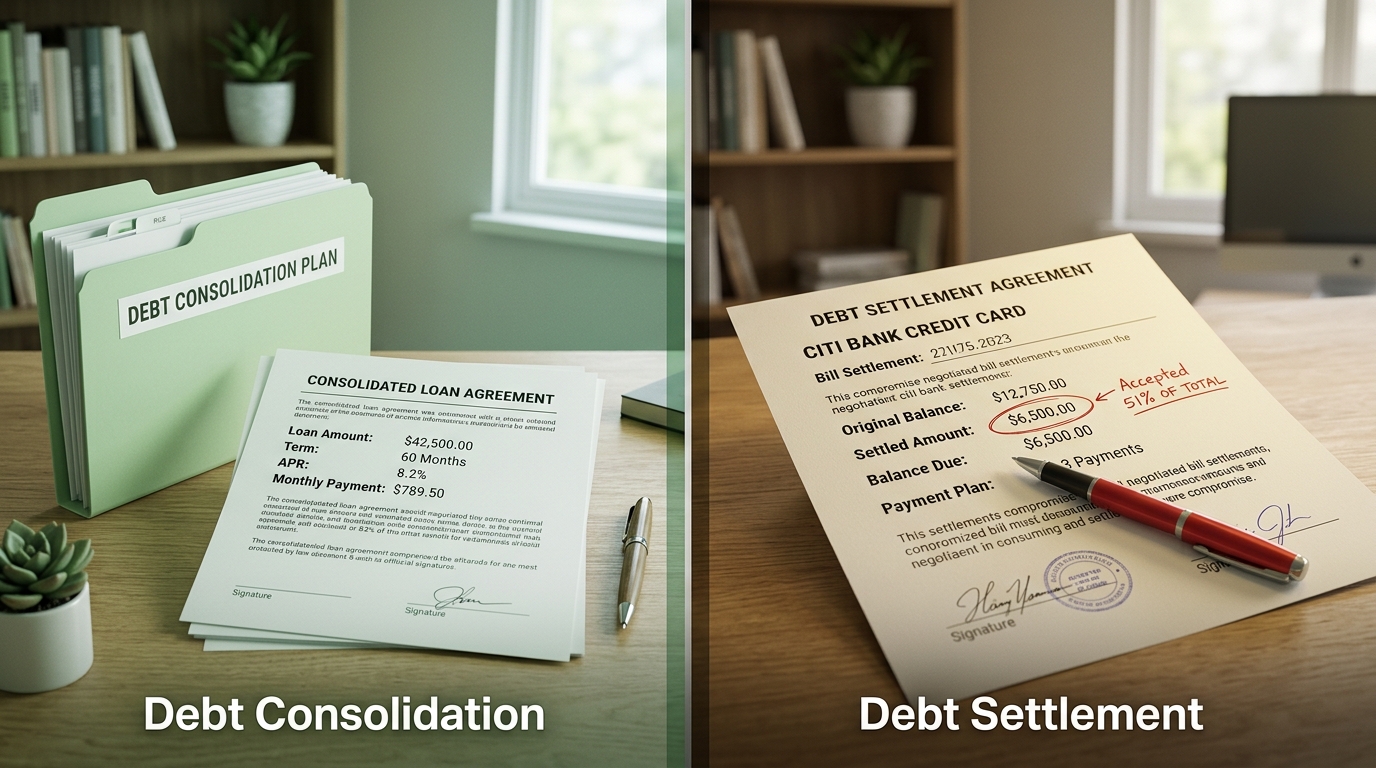
For unsecured debts like credit cards or personal loans, especially ones that are already late or in collections, settlements of 40 to 60 percent of the total balance are common. Some creditors will go as low as 25 to 30 percent if the debt is very old or already written off internally.
For debts that are still current, meaning you have not missed payments yet, creditors are usually only willing to lower the interest rate or extend the repayment period rather than reduce the balance, since the account is not yet considered a loss to them.
Medical debt in the US often has the most room for negotiation, since providers frequently discount bills significantly for patients who offer to pay in cash upfront.
There is no harm in asking for more than you expect to get. The worst outcome is they say no, and you try again with a different offer.
Step Six: Get Everything in Writing
This step is the one people forget most often, and it is the one that protects you the most. Never rely on a verbal agreement alone. Once you and the creditor agree on a number and a plan, ask them to send written confirmation before you send any money.
The letter or email should include the account number, the agreed settlement amount or new payment plan, the date payment is due, and a clear statement that the account will be considered settled or brought current once payment is received.
If they refuse to put it in writing, that is a warning sign. A legitimate creditor or collector will always be willing to confirm an agreement in writing, since it protects them too.
Step Seven: Make the Payment Safely
Once you have written confirmation, pay through a method you can track, such as a bank transfer, cashier’s check, or a payment through the creditor’s official website. Avoid wiring money or using gift cards, since these are common tools used in scams and are nearly impossible to trace or reverse.
Keep a copy of the payment confirmation along with the written agreement. File both away somewhere safe. If any dispute comes up later, these documents are your proof.
A Simple Letter You Can Send Instead of Calling
Some people find writing easier than talking on the phone, and a letter or email also creates an automatic paper trail, which is always useful. Here is a simple template you can adapt for your own situation.
To whom it may concern,
I am writing regarding my account ending in the last four digits of my account number. Due to a change in my financial circumstances, I am currently unable to keep up with the full balance owed. I would like to propose a settlement of a specific amount, or alternatively a revised monthly payment of a specific amount, in order to resolve this account.
Please confirm in writing whether this proposal is acceptable, along with the terms of the agreement and confirmation that the account will be marked as settled once payment is received. I look forward to hearing from you and resolving this matter as quickly as possible.
Sincerely, followed by your name and account details.
This kind of letter works well for both US and UK creditors, and it gives them a clear, low pressure way to respond in writing rather than over the phone.
Step Eight: Follow Up and Check Your Credit Report
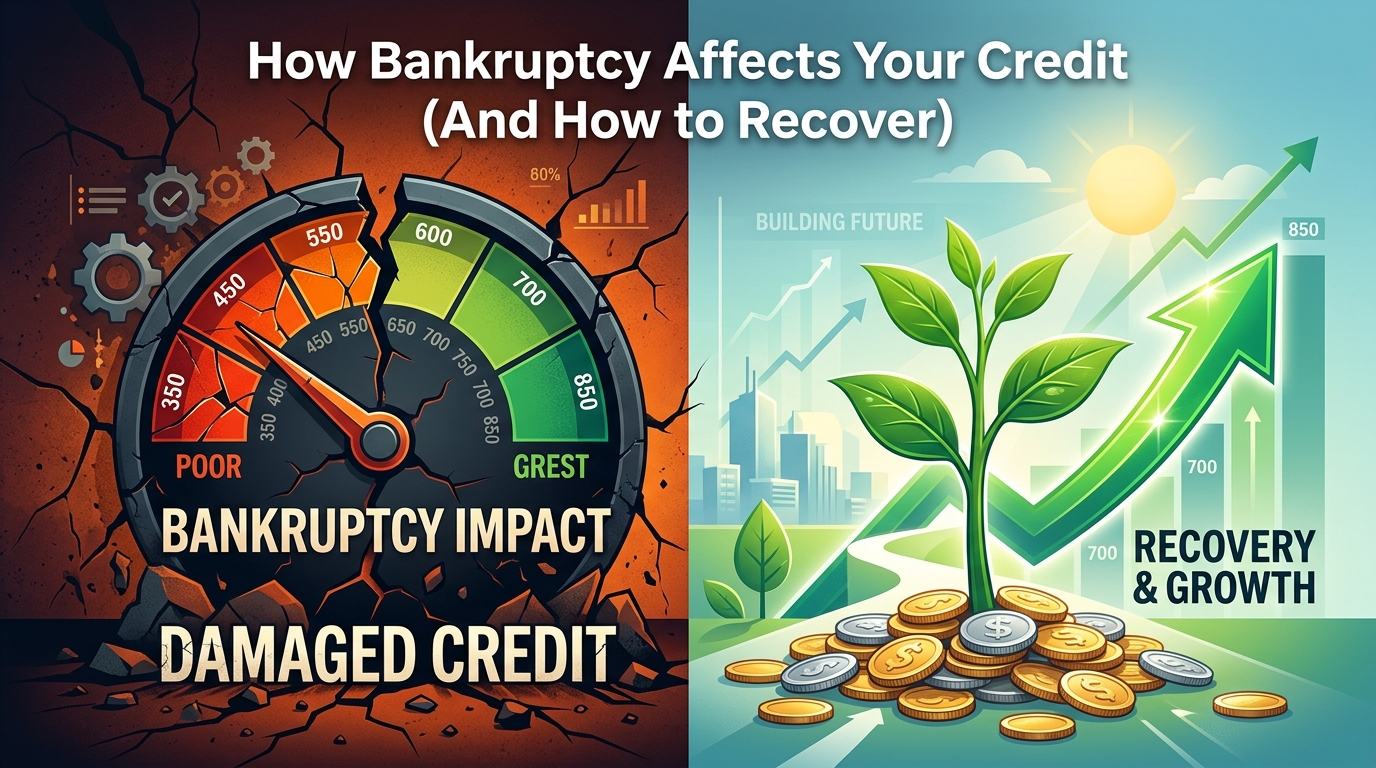
After the payment goes through, wait about 30 to 45 days and then check your credit report again to confirm the account is updated correctly. In the US, a settled debt is usually marked as “settled” rather than “paid in full,” which can still affect your score slightly, but it is far better than an unpaid collection sitting on your file for years.
In the UK, once a debt is settled or paid, this should be reflected on your credit file within a similar time frame. If the update does not appear or looks wrong, you can dispute it directly with the credit bureau.
What to Do if a Creditor Says No
Not every negotiation works on the first try. If a creditor refuses your offer, do not panic and do not give up. Try these options.
Wait a few weeks and call again. Sometimes you will speak to a different representative who has more flexibility or is simply more willing to work with you.
Ask to speak with a supervisor. Frontline representatives sometimes have limited authority to approve settlements, while supervisors can often approve larger discounts.
Consider whether the debt has been sold to a different collection agency. If so, that new agency may have bought your debt for far less than the original balance and may be more willing to settle low.
If none of this works and the debt feels genuinely unmanageable, that may be the point where speaking with a nonprofit credit counseling service makes sense, since many offer free or low cost help without the aggressive fees of for profit debt settlement companies.
Common Mistakes to Avoid
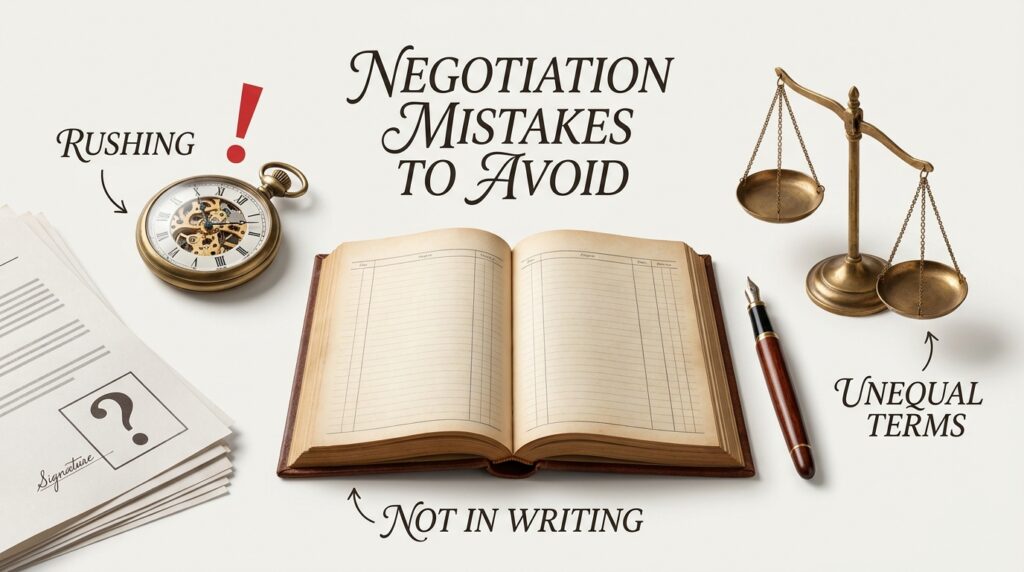
A few mistakes come up again and again, so it helps to know them ahead of time.
Do not give creditors access to withdraw money directly from your bank account. Always send payment yourself through a method you control.
Do not agree to a payment plan you cannot realistically keep. Breaking a new agreement puts you in a worse position than before.
Do not ignore calls and letters completely. Debts do not disappear if you avoid them, and ignoring communication often leads to legal action, especially in the US where creditors can eventually sue for unpaid balances.
Do not pay a debt that may be outside the statute of limitations without checking first. In many US states, older debts become legally uncollectable after a certain number of years, and making even a small payment can restart that clock. It is worth checking your state’s rules before agreeing to pay very old debts.
A Note on Emotional Weight
Debt is not just a financial issue, it is often an emotional one too. Feeling behind on payments can bring stress, shame, or a sense of being overwhelmed. It helps to remember that creditors deal with negotiations like this constantly. To them, it is simply business. There is no need to feel embarrassed picking up the phone or sending an email to ask for a better deal.
Taking action, even something as small as making the first call, tends to reduce anxiety more than avoiding the situation ever does. Many people say the hardest part was simply starting the conversation, and that once they did, the process felt far more manageable than they expected.
It can also help to talk to someone you trust before you start, whether that is a partner, a friend, or a family member. Saying the numbers out loud to another person often makes them feel smaller and more solvable than they do when they are only spinning around in your own head at night. You do not need to solve everything in one sitting either. Tackling one account at a time, starting with the smallest or the one causing you the most stress, can turn an overwhelming pile of debt into a series of manageable conversations.
Remember too that a temporary setback with money says nothing about your character or your ability to manage your finances well going forward. Job losses, medical bills, divorce, and unexpected expenses push perfectly responsible people into debt all the time. The goal now is simply to move forward with a clear plan, not to dwell on how you got here.
Frequently Asked Questions
Will negotiating hurt my credit score? A settled debt does typically show up differently than a fully paid one, and it can have a small impact on your score in the short term. However, an unpaid collection sitting on your file for years does far more damage than a settled account, so in almost every case negotiating is the better path forward.
Can I negotiate a debt that is not yet in collections? Yes, though creditors are usually less flexible on the total balance while an account is still current. You may have more success asking for a lower interest rate, a temporary payment pause, or a longer repayment term instead of a reduced balance.
What if the collection agency is rude or aggressive on the phone? You are allowed to end the call calmly and try again another day, or ask them to communicate with you in writing instead. Both the FDCPA in the US and FCA rules in the UK exist specifically to prevent harassment, and you do not have to tolerate it.
Should I ever pay a debt collector immediately over the phone during the first call? It is usually better to ask for time to think it over and request written confirmation of any offer before paying. A legitimate creditor will not pressure you to pay within minutes, and taking a day to review the terms protects you from mistakes.
Is it better to settle in one lump sum or set up a payment plan? If you can manage a lump sum, even a partial one, it often gets you a better overall discount, since creditors like to close accounts quickly rather than manage a long payment plan with the risk of you missing future payments.
Final Thoughts
Negotiating with creditors yourself is not complicated once you know the steps. Gather your information, understand your budget, know your rights, prepare a simple script, aim for a fair number, get the agreement in writing, and follow through carefully. Most creditors would rather settle for less than chase a debt for years, and that gives you real leverage even without a lawyer or a paid negotiator.
Every situation is different, so be patient with yourself if the first call does not go perfectly. With a bit of preparation and persistence, you can resolve old debts, protect your credit, and move forward with a lot less financial weight on your shoulders.